You have selected your cut, seasoned it with your favorite rub, and tended your smoker for hours. The aroma is intoxicating and the bark is forming beautifully. Then comes the moment of truth: when do you apply the BBQ sauce? Too early, and it burns into a bitter crust. Too late, and you miss out on that sticky, caramelized glaze.
This is a question every pitmaster faces. In this guide, we will break down the timing, the techniques, and the pros and cons of saucing before, during, or after smoking. With the right approach, your ribs will shine, your pulled pork will stay juicy, and your smoked chicken will look and taste like perfection.
Late Application: The Golden Rule for Preventing Burn
For most long cooks, the safest and most effective strategy is to apply sauce late in the process. This avoids burning the sugars in your sauce while still giving you that glossy, caramelized finish.
Why It Works:
BBQ sauces are usually sugar-rich, made with brown sugar, molasses, or fruit. Sugars caramelize and then burn at relatively low temperatures. If sauce goes on too early, it will blacken long before your meat is finished.
The Sweet Spot:
- Ribs or Chicken: Apply during the last 15–30 minutes. A couple of light coats are usually enough.
- Larger Cuts (Brisket, Pork Shoulder): If you decide to sauce, apply in the last 30–60 minutes after unwrapping. Many pitmasters prefer sauce on the side for these cuts so the bark and smoke flavor can shine.
At this stage, meat is near its finishing temperature. The short burst of heat sets the sauce without burning.
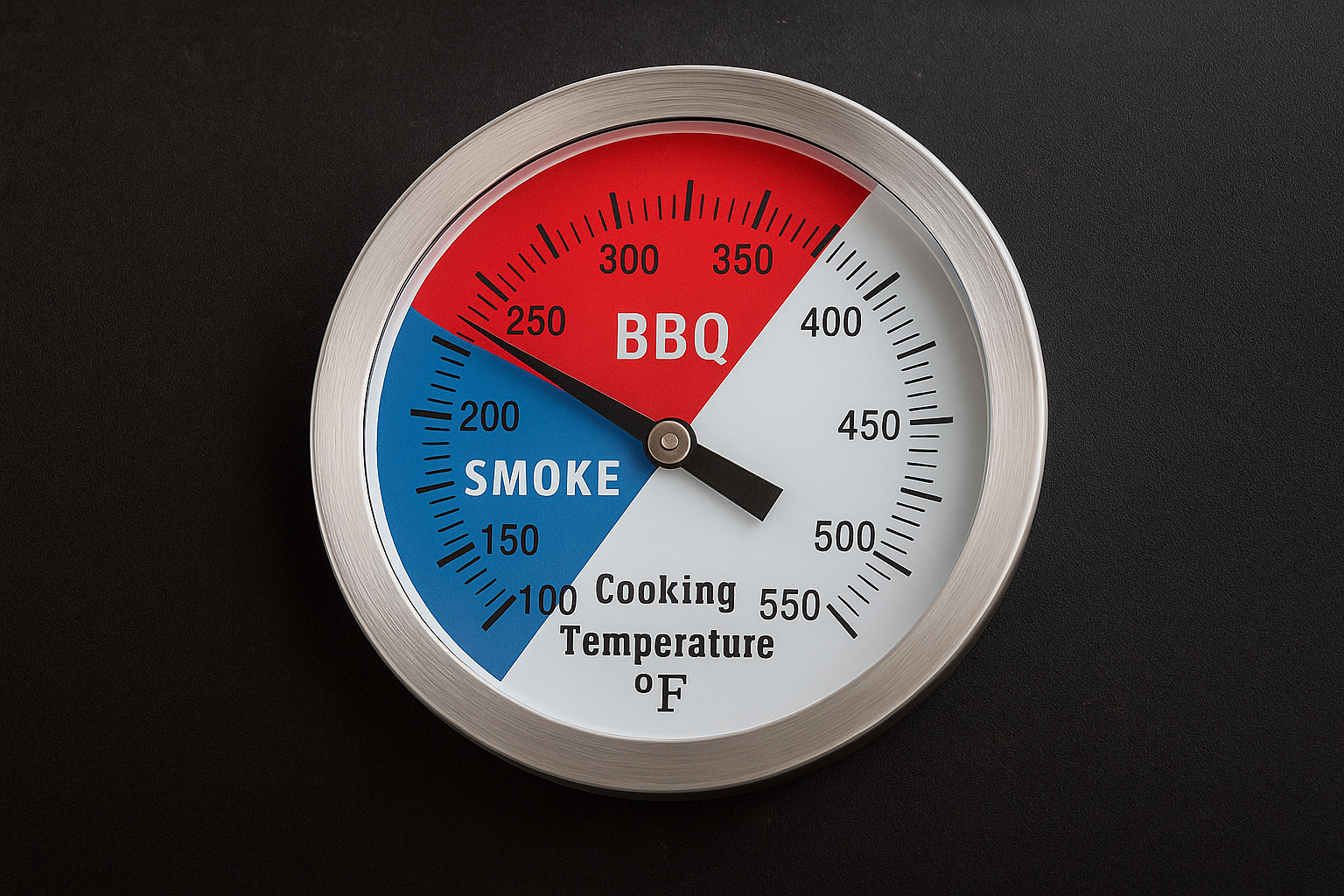
Pro Tip: Cooking hotter than 275°F? Reduce sauce time to 15–20 minutes. Sugars caramelize faster at higher heat.
The Glazing Technique: Thin Layers, Multiple Coats
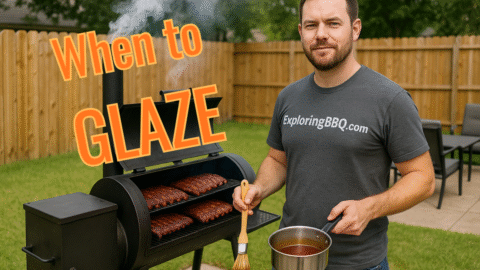
The perfect glaze is built, not dumped. Instead of one heavy coat, apply sauce in thin layers, letting each one set before adding the next.
Steps for a Perfect Glaze:
- Warm your sauce slightly so it spreads evenly.
- Brush on a thin, even coat.
- Close the smoker and let it set for 10–15 minutes.
- Repeat 2–3 times until you have the color, shine, and flavor you want.
This layered approach creates a deep, glossy finish without burning. It also builds flavor gradually, turning ribs or chicken into a show-stopping centerpiece.
Serving Sauce on the Side: When Less Is More
Sometimes the best option is to serve sauce separately. This respects the integrity of the meat and gives each diner control.
When to Go Sauce-on-the-Side:
- Brisket and Large Roasts: Texas-style brisket is meant to showcase smoke and bark. Too much sauce hides that.
- Heavily Seasoned Meat: If your rub is strong, sauce can overpower instead of enhance.
- Guest Preference: Some people want more sauce, others want none. Let them decide.
- Flavor Exploration: True BBQ fans often prefer to taste the meat as it is, with sauce as a bonus.
This approach is beginner-friendly as well, since it removes the timing stress of applying sauce mid-cook.
BBQ Sauce Timing Cheat Sheet: Before, During, or After Smoking?
| Timing | Pros | Cons | Best For |
|---|---|---|---|
| Before Smoking | – Deep penetration of flavor into the outer layer of meat | – High chance of burning (sugars blacken early) – Can overpower rub and smoke | Not recommended for long cooks; short cooks like grilled chicken pieces |
| During Smoking | – Builds glaze gradually – Caramelization and shine – Balances meat flavor with sauce | – Must monitor closely to avoid burning – More lid openings = heat loss | Ribs, smoked chicken, pork shoulder (last 30–60 mins) |
| After Smoking (On the Side) | – Bark and smoke flavor stay pure – Guests choose how much sauce – Beginner-friendly, no timing stress | – No caramelized glaze unless sauce is applied briefly at the end | Brisket, pulled pork, heavily seasoned cuts, serving large groups |
👉 Pro Tips:
- Warm your sauce before brushing for smoother coverage.
- Apply thin coats, not heavy slathers, and let each layer set for 10–15 minutes.
- Hotter temps (275–300°F) mean less time on the smoker before sauce burns.
Conclusion: Sauce as an Accent, Not the Star
The key to mastering BBQ sauce application is understanding when and how to use it.
- Apply sauce late to avoid burning.
- Build your glaze with thin, layered coats for the best finish.
- Consider serving sauce on the side when the meat itself deserves the spotlight.
Less is often more. Sauce should complement, not cover, the flavor you worked so hard to create. With the right timing and technique, your ribs, pulled pork, and smoked chicken will come off the pit looking as good as they taste.
👉 What is your go-to sauce strategy? Do you glaze, serve on the side, or skip it altogether? Share your tips in the comments—we love learning from our BBQ community.