
Introduction: Why Beef Tallow Still Matters in BBQ
Beef tallow is one of a pitmaster’s oldest and most trusted secret weapons.
This liquid gold is made by slowly rendering trimmed brisket fat until it becomes a clean, shelf-stable cooking oil packed with richness and subtle beef flavor. Long before injections, commercial rubs, or foil boats, Texas pitmasters relied on tallow to protect meat, add moisture, and make the most of every cut.
Today, beef tallow is seeing a revival, not as a trend, but as a rediscovered foundation of great barbecue.
A Short History of Beef Tallow in Texas BBQ
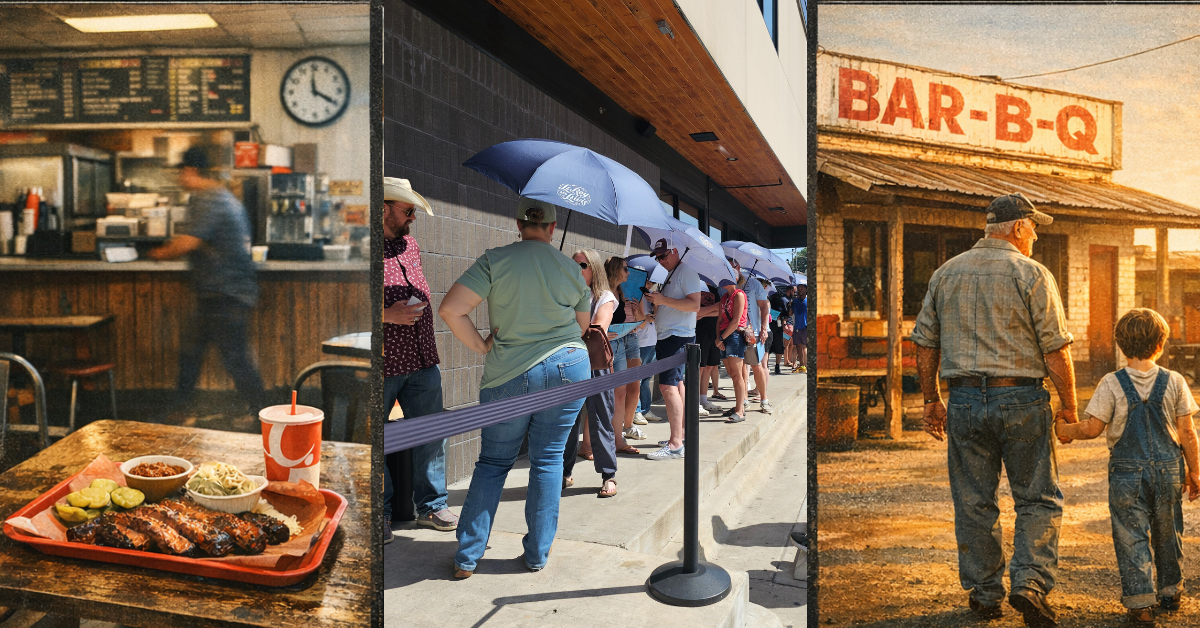
In early Central Texas meat markets, brisket was considered a tough and inexpensive cut. Butchers trimmed heavy fat caps before cooking, and nothing went to waste.
That trimmed fat was rendered into beef tallow and reused for:
- Basting meats
- Frying sides
- Seasoning cast iron
- Extending moisture during long cooks
This practice was born from necessity, but it created one of BBQ’s most effective tools.
In modern barbecue, pitmasters like Aaron Franklin helped reintroduce tallow to backyard cooks by brushing it onto briskets during the wrapping phase. The result is better moisture retention, a glossy finish, and added insurance against dryness.
Why Pitmasters Love Beef Tallow
Beef tallow earns its place in the pit for several reasons:
- Moisture-locking: Helps protect brisket during the stall and long rests
- Flavor-enhancing: Adds richness without masking smoke or beef flavor
- High smoke point: Ideal for BBQ and cast iron cooking
- Versatile: Works beyond brisket, from ribs to sides
- Traditional: Connects modern cooks to the roots of Texas BBQ
Tallow does not replace good fire management or proper resting, but it supports both.
How to Make Beef Tallow at Home
Making beef tallow is simple and starts with brisket trimmings.
Equipment Needed
- Heavy-bottom pot or cast iron skillet
- Fine mesh strainer or cheesecloth
- Mason jars or heat-safe containers
Step-by-Step Method
- Trim excess fat from a brisket or purchase beef fat from a butcher
- Cut fat into small, even chunks
- Place fat in a pot over low heat
- Render slowly, stirring occasionally, until liquid is clear and solids separate
- Strain through cheesecloth into clean containers
- Let cool and seal
Storage:
- Short term: room temperature
- Long term: refrigerator or freezer
See our complete Beef Tallow Recipe
How Pitmasters Use Beef Tallow in BBQ
Beef tallow shines in several key moments of the cook:
Brisket Applications
- Wrap Boost: Add a spoonful when wrapping in butcher paper
- Rest Protection: Brush lightly before resting
- Slice Finish: Warm and drizzle over sliced brisket for shine
Beyond Brisket
- Fry potatoes, tortillas, or onions
- Sear burgers or steaks
- Lightly glaze ribs before serving
- Season cast iron cookware
A little goes a long way.
Common Beef Tallow Mistakes
- Overheating during rendering, which causes burnt flavors
- Using foil only when wrapping, which can trap too much moisture
- Pouring tallow directly on bark too early, softening texture
- Treating tallow as a shortcut instead of a support tool
Helpful Gear for Your Cook
- Heavy-bottom pot or cast iron skillet
- Fine mesh strainer or cheesecloth
- Butcher paper
- Heat-resistant gloves
- Glass storage jars
Keep Learning (Internal Links)
- The Ultimate Brisket Guide
- Secrets to Brisket Resting: How to Rest Like a Pro
- Brisket Stall Fix Guide
- BBQ Wood Flavor Guide
- Texas BBQ Glossary
Final Thoughts
Beef tallow is more than rendered fat. It is a direct link between the resourceful butchers of early Texas BBQ and today’s backyard pitmasters.
Whether you add it during the wrap, use it to protect a long rest, or fry your sides in it, beef tallow earns its place in any serious BBQ setup.
It does not replace patience, fire control, or technique. It supports them.
We Want to Hear From You
How do you use beef tallow in your BBQ cooks? Do you add it during the wrap, save it for slicing, or use it beyond brisket? Share your tips and experiments so the community can learn from your fire.